

Key Highlights
- Fast diagnosis helps businesses reduce operational downtime.
- Temporary backup systems keep office workflows moving during failures.
- Hardware inspections help identify the source of sudden breakdowns.
- Preventive maintenance lowers the risk of repeat hardware problems.
Introduction
Sudden hardware failures can disrupt office operations without warning. Computers may stop functioning during important tasks, servers can become inaccessible, and essential workplace systems may suddenly go offline during business hours. Delays caused by equipment failure can affect communication, productivity, and customer-facing operations across multiple departments.
Businesses usually rely on an experienced IT maintenance company to handle urgent hardware situations efficiently. Fast troubleshooting, immediate inspections, and organised recovery procedures help reduce operational disruption while restoring workplace systems safely. Reliable hardware maintenance services also help companies reduce future risks through preventive monitoring and routine equipment evaluations.
Rapid Diagnosis During Emergency Situations
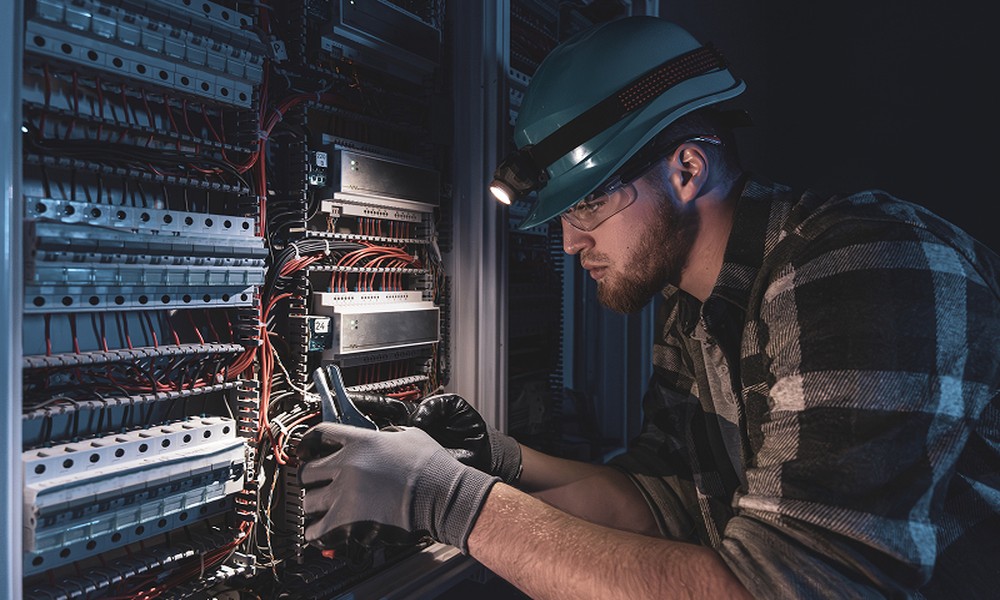
Quick diagnosis remains absolutely vital during severe hardware emergencies. Technicians immediately begin by identifying which specific workstations have crashed and evaluating how the failure impacts connected office equipment. Internal inspections help determine whether the core issue involves damaged storage devices, failing power supplies, or malfunctioning cooling fans.
Clear troubleshooting protocols prevent unnecessary delays during high-pressure scenarios. By temporarily isolating faulty networks, professionals prevent operational disruptions from spreading further. Businesses can identify hidden mechanical faults much faster by utilising modern hardware maintenance services.
Accurate documentation of physical conditions is another critical step handled by an experienced IT maintenance company. Thorough reporting allows businesses to recognise long-term wear patterns, enabling highly informed decisions regarding immediate repairs, complete replacements, or temporary recovery planning.
Temporary Recovery and Business Continuity
Unexpected equipment failures drastically interrupt critical workflows across busy departments like customer service and finance. To mitigate extended downtime, offices require temporary recovery solutions such as backup workstations or spare servers. Maintaining employee access to essential networks allows daily operations to continue smoothly while technicians safely restore the damaged machinery. During chaotic disruptions, an experienced IT maintenance company strategically coordinates staged recovery procedures, ensuring critical departments receive immediate attention to minimise business delays.
Stronger contingency planning ultimately helps organisations recover much more efficiently. Proactive hardware maintenance services typically include comprehensive business continuity preparations long before severe problems actually occur. By conducting backup equipment assessments, tracking physical inventory, and actively monitoring system health, businesses respond rapidly whenever sudden technical emergencies strike the workplace.
Repair, Replacement, and Component Testing
Once technicians identify the failed infrastructure, detailed component testing immediately follows. Identifying the exact disruption source ensures nearby connected components stay highly stable while professional hardware maintenance services evaluate power supply units, memory modules, and storage devices. Internal elements undergo careful assessment to determine if straightforward repairs remain possible or if full replacements become strictly necessary.
Aging technology frequently generates ongoing reliability concerns and escalating operational costs. When older systems begin failing repeatedly, bringing in a trusted IT maintenance company often alleviates mounting pressure through partial network upgrades. Consistent performance monitoring actively reduces long-term risks, helping business owners spot critical warning signs much earlier during future scheduled evaluation cycles.
Preventive Measures After Hardware Failure
Emergency repairs frequently force businesses to reevaluate their entire technical support strategy. Sudden crashes regularly expose hidden weaknesses within cooling capabilities, lifespan management protocols, or environmental conditions negatively impacting the workspace.
To reduce severe strain on delicate office networks, an expert IT maintenance company strongly recommends improved airflow management alongside scheduled internal cleaning. Consistent physical evaluations effectively minimise repeated breakdowns while significantly extending the operational lifespan of expensive machinery. Tracking equipment conditions allows managers to schedule gradual network upgrades instead of frantically reacting to sudden mechanical failures.
Developing a highly customised upkeep schedule perfectly matches daily workload demands. Accessing advanced monitoring tools tracks temperature fluctuations and overall component stability over extended periods. Protecting expensive infrastructure is ultimately the primary goal of professional hardware maintenance services.
Conclusion
Sudden hardware failures can disrupt office productivity quickly, particularly when critical systems become unavailable during daily operations. Fast diagnosis, organised recovery planning, and preventive maintenance help businesses restore stability while reducing future hardware risks across the workplace.
Strengthen your office networks against sudden mechanical failures. Contact MAG-IT Solutions for responsive IT maintenance and comprehensive business hardware support.